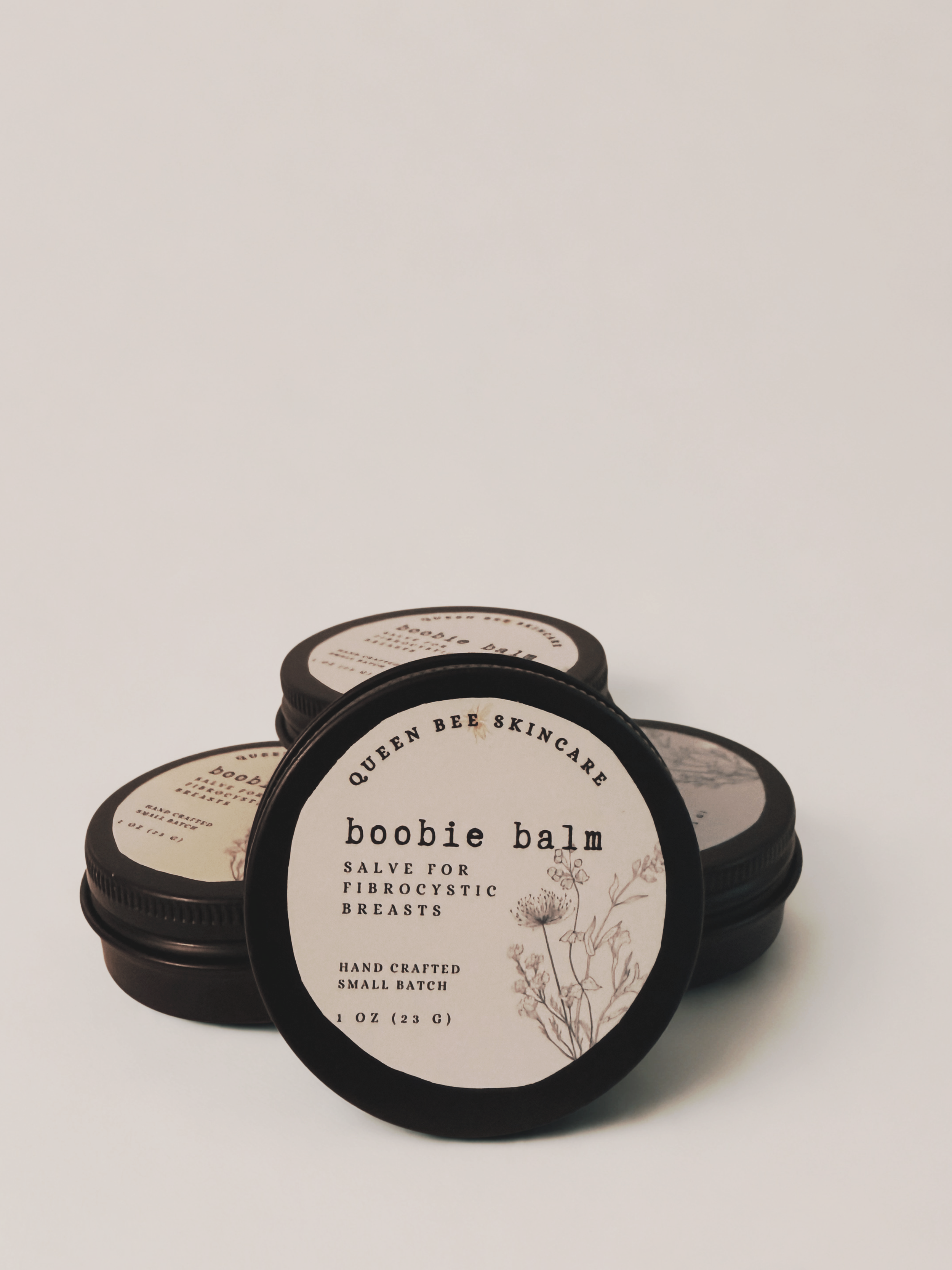
 Image 1 of 2
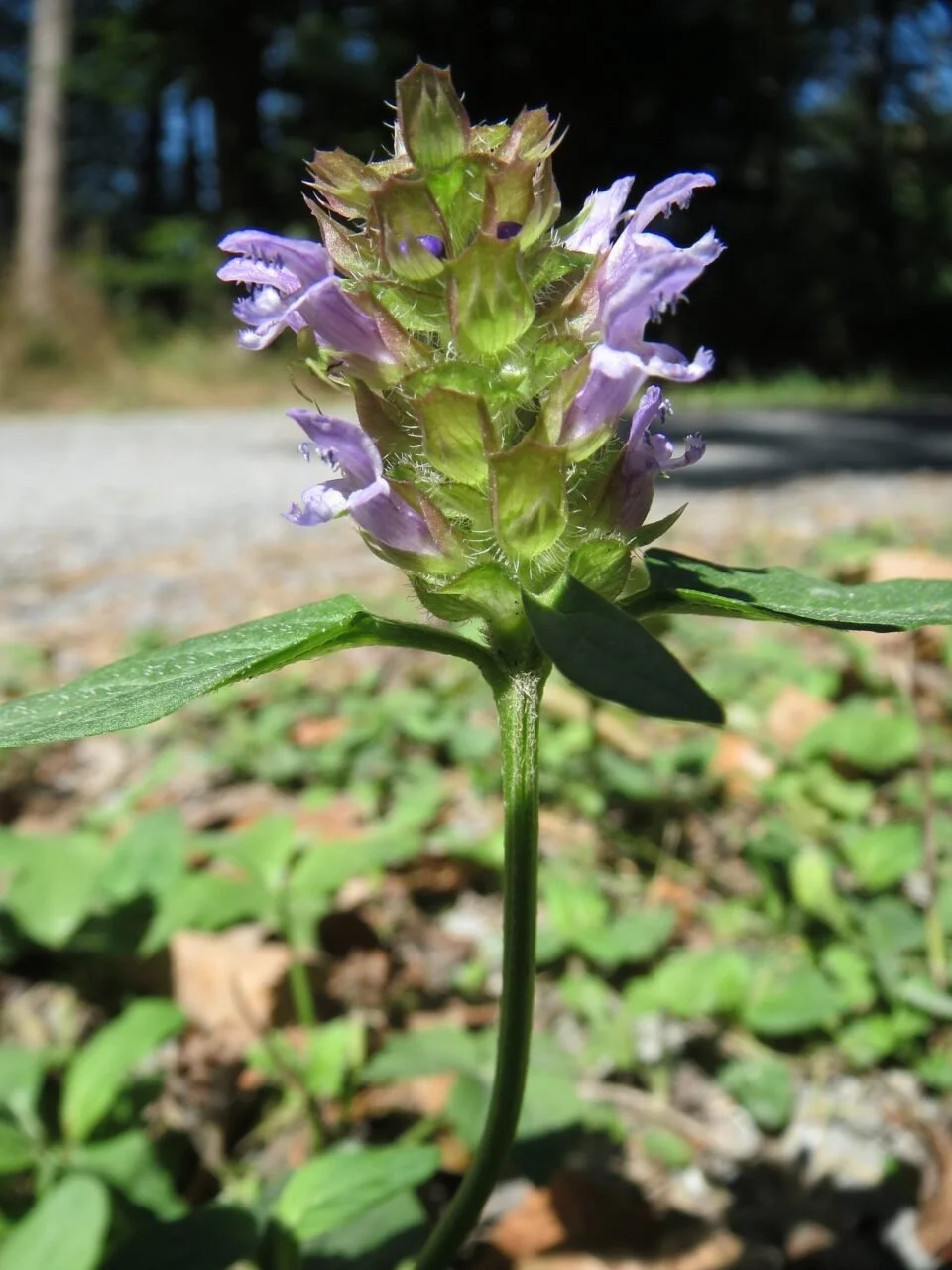 Image 2 of 2
Prunella vulgaris
Self heal possesses both soothing and astringent properties which make a strong tea or diluted tincture of the herb an ideal choice for wound washes (Cech, 2016). A juice of the fresh plant can be applied directly to insect bites (Moore, 1993).
Another in vitro study on human aortic smooth muscle cells showed an aqueous extract of Prunella vulgaris to have inhibitory effects on high-glucose stimulated vascular smooth muscle cell proliferation, a significant finding as abnormal proliferation of such cells is part of the disease process of vascular disorders, including diabetic atherosclerosis (Hwang et al., 2013).
As both an astringent and antiseptic, self heal has been used in traditional Western herbalism as a gargle for inflammation and ulcers of the mouth and throat (Grieve, 1931/1971); for these purposes, herbalist Richo Cech (2016) suggests using a strong brewed tea or one dropperful of the tincture in ½ cup of cold water. For cases of canker sores, Cech (2016) suggests direct application of the strong tea or undiluted tincture. According to Cherokee herbalist J.T. Garrett (2003), a traditional Cherokee cultural use of self heal is in combination with other herbs for sore throats.
Self heal has been shown to be antiviral as well as antibacterial, exhibiting in vitro activity against HIV (Oh et al., 2011), herpes simplex virus (Nolkemper et la., 2006), and influenza (Tian et al., 2011), as well as inhibiting the growth of pathogenic bacteria such as Escherichia coli, Staphylococcus aureus, and Klebsiella pneumoniae (Rasool et al., 2010).
In Chinese medicine, self heal is associated with the liver and gallbladder meridians (Pan et al., 2022). Self heal is used in Chinese medicine for imbalances associated with the liver meridian, including conditions of the breast such as hyperplasia of the mammary glands, acute mastitis, and breast cancer (Pan et al., 2022), though it’s important to note that while there are numerous animal studies, there are few human studies regarding the use of self heal for cancerous masses. Self heal is considered an lymphatic tonic and can be helpful for swollen breasts, fibrocystic breast tissue, mastitis, and sore nipples.
Tea: 1 cup (1-2 teaspoons dried herb in 8 fl oz water) 2x/day (Winston, 2003).
Tincture: 1.5-5 mL fresh herb (1:2, 65%) 3-5x/day (Cech, 2016)
Safety: The herb sanicle (Sanicula europaea) is sometimes also called self heal (Grieve, 1931/1971); be certain to clarify plant species identity before use. Allergic reactions to self heal including rashes, swelling, and gastrointestinal symptoms have been reported (Gardner & McGuffin, 2013). Self heal may lower blood sugar, so those with diabetes are advised to use with caution and monitor blood sugar levels closely (Coffman, 2021).
**This is for external use only. We cannot provide any medical advice. If using on children, please ask a doctor if you have safety concerns. We cannot provide that information.
**Please test product on a small area of skin before applying fully and wait overnight to ensure there are no allergic reactions or skin sensitivities. Cartwright & Cline Nutrition LLC, The Bearded Bee LLC, nor Megan Martin Robinson RD, LDN, IFNCP is not liable for adverse reactions, and purchase of the products is an acceptance of terms and shop policies.
Prunella vulgaris
Self heal possesses both soothing and astringent properties which make a strong tea or diluted tincture of the herb an ideal choice for wound washes (Cech, 2016). A juice of the fresh plant can be applied directly to insect bites (Moore, 1993).
Another in vitro study on human aortic smooth muscle cells showed an aqueous extract of Prunella vulgaris to have inhibitory effects on high-glucose stimulated vascular smooth muscle cell proliferation, a significant finding as abnormal proliferation of such cells is part of the disease process of vascular disorders, including diabetic atherosclerosis (Hwang et al., 2013).
As both an astringent and antiseptic, self heal has been used in traditional Western herbalism as a gargle for inflammation and ulcers of the mouth and throat (Grieve, 1931/1971); for these purposes, herbalist Richo Cech (2016) suggests using a strong brewed tea or one dropperful of the tincture in ½ cup of cold water. For cases of canker sores, Cech (2016) suggests direct application of the strong tea or undiluted tincture. According to Cherokee herbalist J.T. Garrett (2003), a traditional Cherokee cultural use of self heal is in combination with other herbs for sore throats.
Self heal has been shown to be antiviral as well as antibacterial, exhibiting in vitro activity against HIV (Oh et al., 2011), herpes simplex virus (Nolkemper et la., 2006), and influenza (Tian et al., 2011), as well as inhibiting the growth of pathogenic bacteria such as Escherichia coli, Staphylococcus aureus, and Klebsiella pneumoniae (Rasool et al., 2010).
In Chinese medicine, self heal is associated with the liver and gallbladder meridians (Pan et al., 2022). Self heal is used in Chinese medicine for imbalances associated with the liver meridian, including conditions of the breast such as hyperplasia of the mammary glands, acute mastitis, and breast cancer (Pan et al., 2022), though it’s important to note that while there are numerous animal studies, there are few human studies regarding the use of self heal for cancerous masses. Self heal is considered an lymphatic tonic and can be helpful for swollen breasts, fibrocystic breast tissue, mastitis, and sore nipples.
Tea: 1 cup (1-2 teaspoons dried herb in 8 fl oz water) 2x/day (Winston, 2003).
Tincture: 1.5-5 mL fresh herb (1:2, 65%) 3-5x/day (Cech, 2016)
Safety: The herb sanicle (Sanicula europaea) is sometimes also called self heal (Grieve, 1931/1971); be certain to clarify plant species identity before use. Allergic reactions to self heal including rashes, swelling, and gastrointestinal symptoms have been reported (Gardner & McGuffin, 2013). Self heal may lower blood sugar, so those with diabetes are advised to use with caution and monitor blood sugar levels closely (Coffman, 2021).
**This is for external use only. We cannot provide any medical advice. If using on children, please ask a doctor if you have safety concerns. We cannot provide that information.
**Please test product on a small area of skin before applying fully and wait overnight to ensure there are no allergic reactions or skin sensitivities. Cartwright & Cline Nutrition LLC, The Bearded Bee LLC, nor Megan Martin Robinson RD, LDN, IFNCP is not liable for adverse reactions, and purchase of the products is an acceptance of terms and shop policies.