 Image 1 of 2
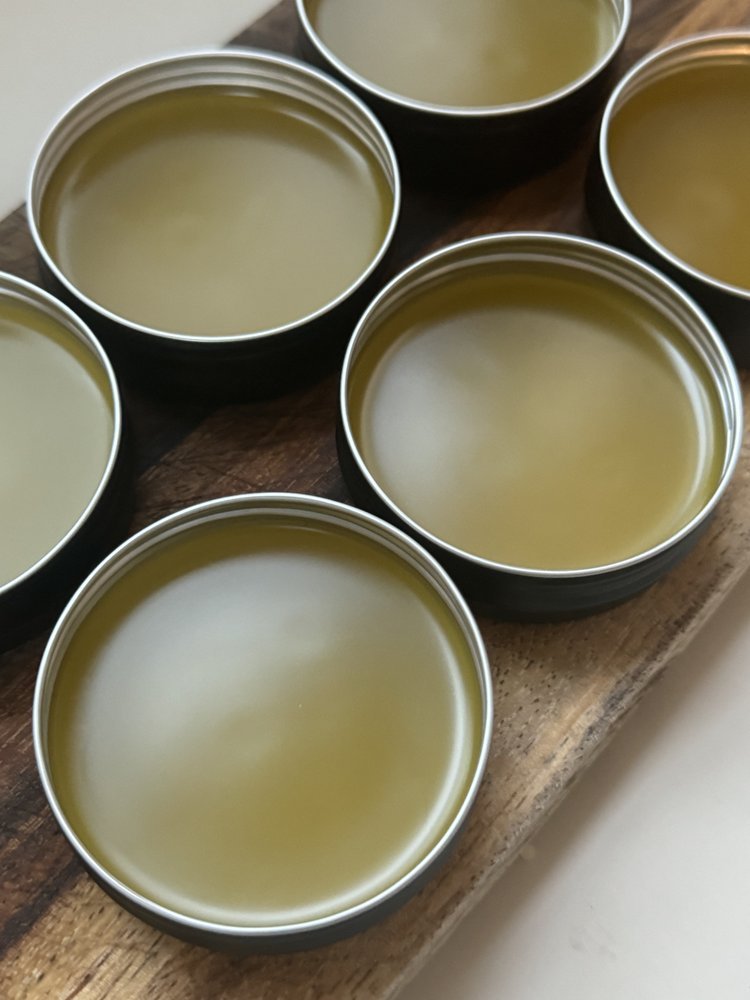 Image 2 of 2
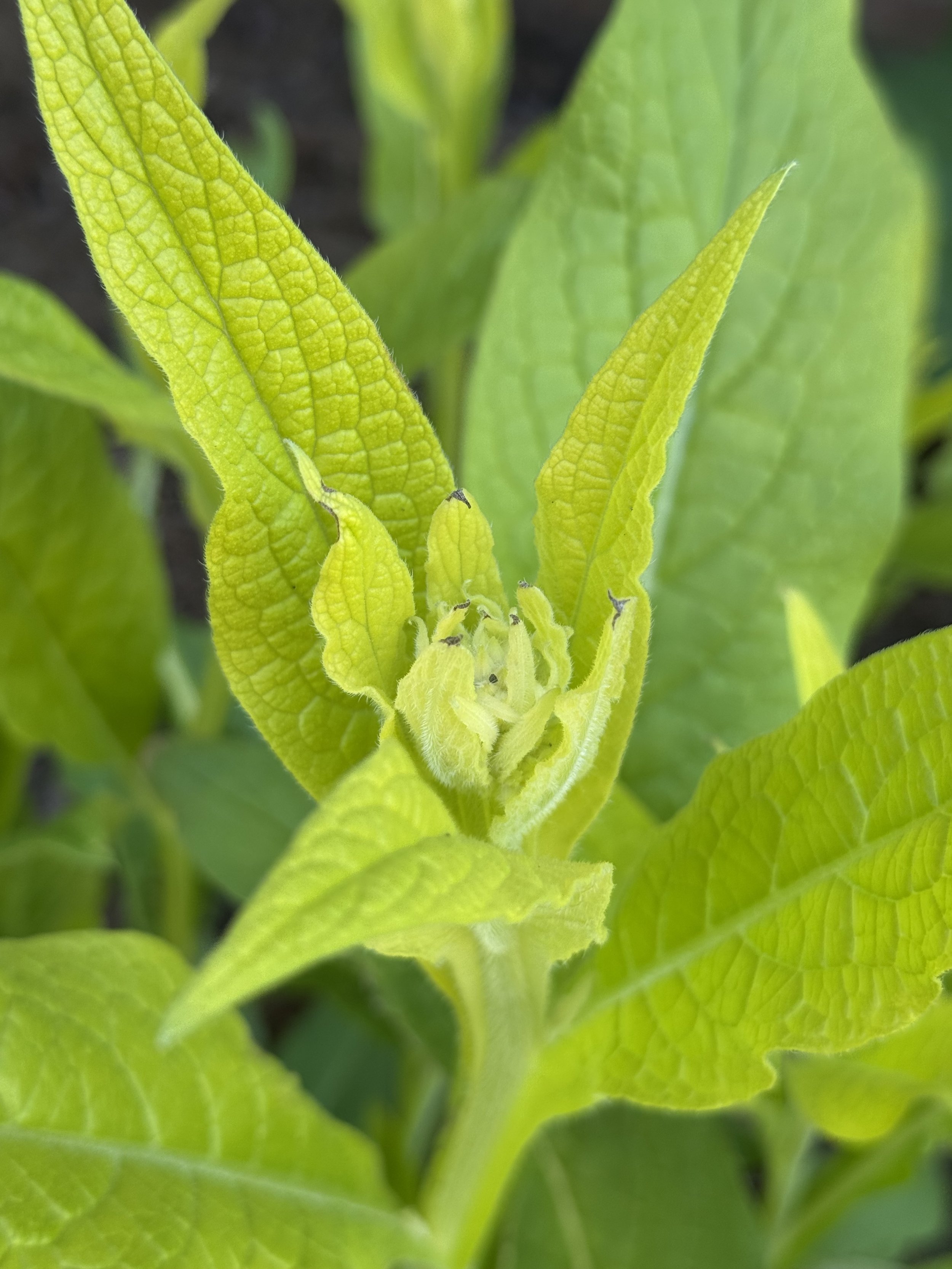
Symphytum officinale
According to Cherokee author and herbalist J.T. Garrett (2003), comfrey is one of seven sacred herbs used traditionally as a tonic for ceremony and overall health. An elder in the Cherokee community noted that comfrey was used for those who had bad dreams (Garrett, 2003).
External comfrey preparations such as fomentations and poultices have been used for sprains, swellings, and bruises, as well as boils, abscesses, and gangrenous ulcers (Grieve, 1931/1971).
The constituent responsible for comfrey’s vulnerary action is known as allantoin, which stimulates tissue repair and cell proliferation. Comfrey’s effectiveness for wounds was demonstrated by Barna et al. (2012) in a randomized, controlled, clinical double-blind study of 108 children ages 3-12. Participants used a topical preparation with a 10% comfrey concentration on a fresh abrasion. A control group used the same preparation with a 1% comfrey concentration. The wounds of the group who used the 10% concentration of comfrey resolved faster than the control group (9 days sooner—a difference considered statistically significant in this study) (Barna et al., 2012).
While comfrey’s use in topical preparations is generally well accepted, its internal use is not. The pyrrolizidine alkaloids (PAs) in comfrey have been shown to be hepatotoxic in livestock and humans and carcinogenic in laboratory animals (Mei et al., 2005), although further research is still needed due to the complexity of comfrey’s constituents and mechanisms of action (Mei et al., 2010).
Safety:Since the 1970s, herbalists, governments, scientists, and others have been debating the safety of comfrey. While the PAs in comfrey have proven toxic, the clinical circumstances under which these conclusions were drawn warrant further consideration; see the Uses section for more information. Nevertheless, anyone considering the use of comfrey should also consider its potential toxicity.
The safest course of action is to avoid the internal use of comfrey altogether, but especially during pregnancy and lactation, when taking medication that affects the liver, and in cases of liver issues, cancer, or tumors (Easley & Horne, 2016; Visser, 2019). While a small amount of comfrey’s PAs may be absorbed through the skin during external use, the amount is believed to be limited and, therefore, safe when used for a limited duration of 4-6 weeks per year (Gardner & McGuffin, 2013; Hoffmann, 2003).
Salve ingredients: olive oil, comfrey leaf, beeswax, vitamin e oil
1 oz tin
**This is for external use only. We cannot provide any medical advice. If using on children, please ask a doctor if you have safety concerns. We cannot provide that information.
**Please test product on a small area of skin before applying fully and wait overnight to ensure there are no allergic reactions or skin sensitivities. Cartwright & Cline Nutrition LLC, The Bearded Bee LLC, nor Megan Martin Robinson RD, LDN, IFNCP is not liable for adverse reactions, and purchase of the products is an acceptance of terms and shop policies.
Symphytum officinale
According to Cherokee author and herbalist J.T. Garrett (2003), comfrey is one of seven sacred herbs used traditionally as a tonic for ceremony and overall health. An elder in the Cherokee community noted that comfrey was used for those who had bad dreams (Garrett, 2003).
External comfrey preparations such as fomentations and poultices have been used for sprains, swellings, and bruises, as well as boils, abscesses, and gangrenous ulcers (Grieve, 1931/1971).
The constituent responsible for comfrey’s vulnerary action is known as allantoin, which stimulates tissue repair and cell proliferation. Comfrey’s effectiveness for wounds was demonstrated by Barna et al. (2012) in a randomized, controlled, clinical double-blind study of 108 children ages 3-12. Participants used a topical preparation with a 10% comfrey concentration on a fresh abrasion. A control group used the same preparation with a 1% comfrey concentration. The wounds of the group who used the 10% concentration of comfrey resolved faster than the control group (9 days sooner—a difference considered statistically significant in this study) (Barna et al., 2012).
While comfrey’s use in topical preparations is generally well accepted, its internal use is not. The pyrrolizidine alkaloids (PAs) in comfrey have been shown to be hepatotoxic in livestock and humans and carcinogenic in laboratory animals (Mei et al., 2005), although further research is still needed due to the complexity of comfrey’s constituents and mechanisms of action (Mei et al., 2010).
Safety:Since the 1970s, herbalists, governments, scientists, and others have been debating the safety of comfrey. While the PAs in comfrey have proven toxic, the clinical circumstances under which these conclusions were drawn warrant further consideration; see the Uses section for more information. Nevertheless, anyone considering the use of comfrey should also consider its potential toxicity.
The safest course of action is to avoid the internal use of comfrey altogether, but especially during pregnancy and lactation, when taking medication that affects the liver, and in cases of liver issues, cancer, or tumors (Easley & Horne, 2016; Visser, 2019). While a small amount of comfrey’s PAs may be absorbed through the skin during external use, the amount is believed to be limited and, therefore, safe when used for a limited duration of 4-6 weeks per year (Gardner & McGuffin, 2013; Hoffmann, 2003).
Salve ingredients: olive oil, comfrey leaf, beeswax, vitamin e oil
1 oz tin
**This is for external use only. We cannot provide any medical advice. If using on children, please ask a doctor if you have safety concerns. We cannot provide that information.
**Please test product on a small area of skin before applying fully and wait overnight to ensure there are no allergic reactions or skin sensitivities. Cartwright & Cline Nutrition LLC, The Bearded Bee LLC, nor Megan Martin Robinson RD, LDN, IFNCP is not liable for adverse reactions, and purchase of the products is an acceptance of terms and shop policies.